
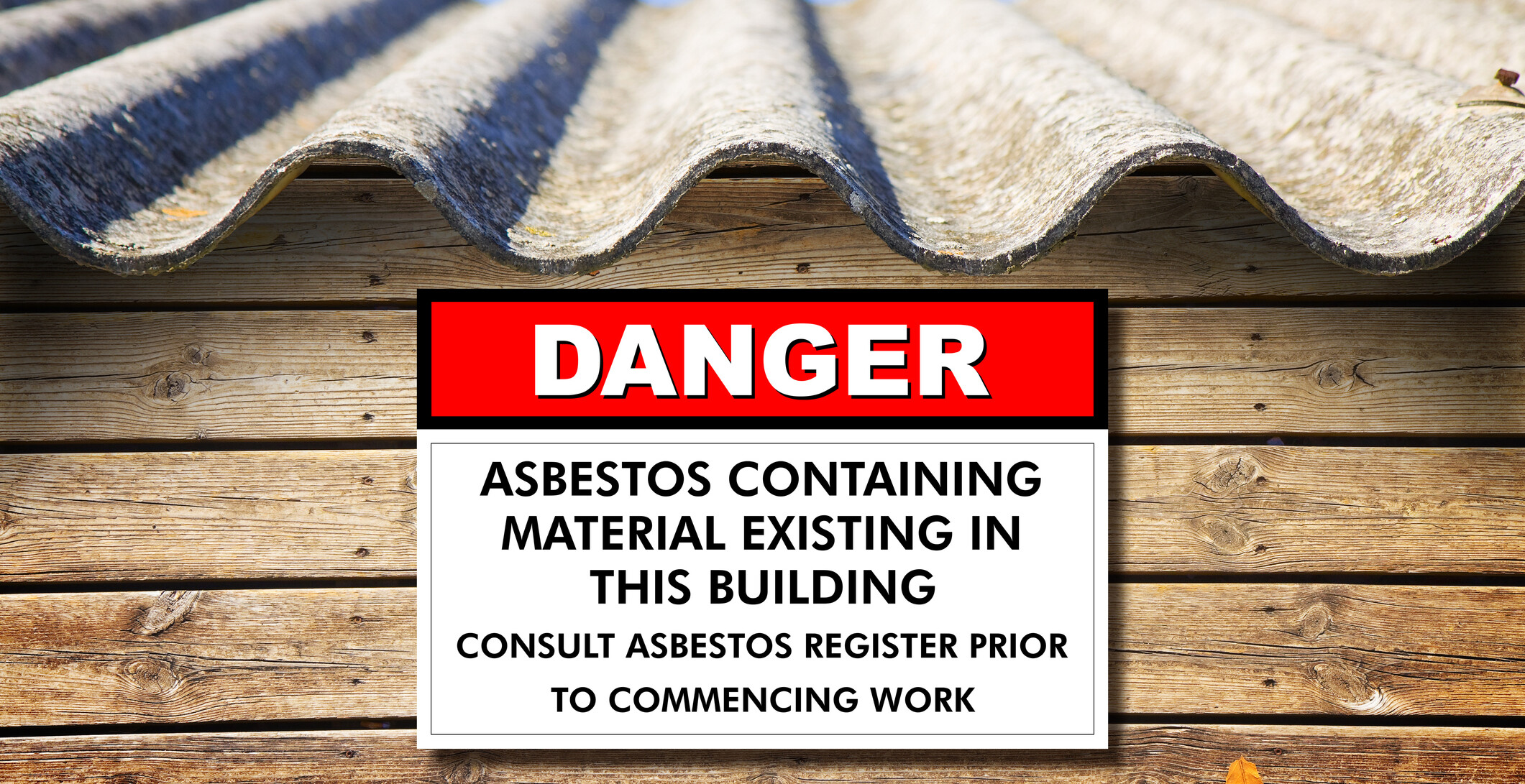
Asbestos is a naturally occurring mineral that was once widely used in a variety of construction materials. While it has many useful properties, asbestos is also a known carcinogen, and exposure to asbestos fibers can cause serious health problems.
In the United Kingdom, the use of asbestos in buildings was banned in 1999. However, because asbestos was used so extensively in the past, it still exists in many older buildings. If you suspect that your property may contain asbestos, it’s important to have it tested by a qualified professional before undertaking any renovation or demolition work.
There are also strict regulations governing the removal of asbestos from buildings. Only specially trained and certified workers are allowed to handle asbestos-containing materials, and all work must be done according to strict safety protocols.
If you’re planning on renovating an older property, it’s important to be aware of the potential risks posed by asbestos. By taking some simple precautions and following the relevant regulations, you can help protect yourself and others from exposure to this dangerous substance.
Overview of national and international asbestos regulations and guidelines
There are a number of national and international asbestos regulations and guidelines that aim to protect workers and the general public from the harmful effects of exposure to asbestos. The UK has its own set of regulations and guidelines, which are enforced by the Health and Safety Executive (HSE).
The Control of Asbestos Regulations 2012 is the main piece of legislation that covers work with asbestos in the UK. The regulations place a duty on employers to ensure that their employees are not exposed to asbestos, and that any work with asbestos is properly controlled.
In addition to the UK regulations, there are also a number of international conventions and treaties that relate to asbestos. These include the Rotterdam Convention on the Prior Informed Consent Procedure for Certain Hazardous Chemicals and Pesticides in International Trade, which requires countries to take measures to prevent the export of asbestos-containing products; and the Stockholm Convention on Persistent Organic Pollutants, which aims to eliminate or restrict the use of a range of substances, including asbestos.
The World Health Organization (WHO) has also published a number of guidelines related to asbestos, such as the WHO Guidelines for Asbestos Management and Control. These guidelines provide recommendations on how to best manage asbestos in the workplace, including identifying potential sources of exposure and implementing appropriate control measures.
Key organisations involved in asbestos regulation and enforcement in UK
There are a number of key organisations involved in asbestos regulation and enforcement in UK. These include the Health and Safety Executive (HSE), Local Authorities, the Environment Agency (EA) and the Department for Work and Pensions (DWP).
The HSE is responsible for ensuring that businesses comply with health and safety law, including the Control of Asbestos Regulations 2012. The HSE can take enforcement action against businesses who fail to comply with the Regulations, including issuing Improvement or Prohibition Notices, or prosecuting offenders.
Local Authorities also have a role to play in enforcing asbestos regulations. In England, they are responsible for enforcing the Asbestos (Licensing Controls) Regulations 2012. These Regulations require anyone carrying out work which could disturb asbestos to hold a licence from the HSE. Local Authorities can take enforcement action against those who carry out unlicensed work, including issuing Fixed Penalty Notices and/or prosecuting offenders.
The EA is responsible for regulating landfill sites in England and Wales. Landfill operators must comply with the Landfill Sites Regulations 2002, which includes requirements relating to the disposal of asbestos waste. The EA can take enforcement action against operators who fail to comply with these requirements, including issuing Improvement or Prohibition Notices or prosecuting offenders.
The DWP is responsible for enforcing the Working Time Regulations 1998, which includes limits on exposure to airborne asbestos fibres. The DWP can take enforcement action against employers who breach these limits, including issuing Improvement Notices or prosecuting offenders
Requirements for asbestos removal contractors and workers in UK
In the United Kingdom, asbestos removal contractors and workers must comply with a number of requirements in order to safely remove asbestos from buildings. These requirements are set out in the Control of Asbestos Regulations 2012, which came into force on April 6, 2012.
The regulations require that all asbestos removal contractors and workers be licensed by the Health and Safety Executive (HSE). In order to obtain a license, contractors and workers must complete an accredited training course and pass an examination.
In addition to being licensed, all asbestos removal contractors and workers must also be competent in the safe removal of asbestos. This means that they must have the necessary skills, knowledge, and experience to safely remove asbestos from buildings.
Asbestos removal contractors and workers must also follow strict safety procedures when removing asbestos from buildings. These procedures are designed to protect them from exposure to asbestos fibers.
When removing asbestos, contractors and workers must wear personal protective equipment (PPE). This includes respirators, coveralls, gloves, and eye protection. They must also wet down the area where they will be working to prevent dust from becoming airborne.
After the area has been wetted down, contractors and workers must remove any loose debris before starting the removal process. They should then soak up any remaining water with absorbent materials.
Once all of the loose debris has been removed, contractors and workers can begin to remove the asbestos-containing material (ACM). They should take care not to disturb any material that may contain asbestos fibers.
Finally, contractors and workers must ensure that the area is clean and free of any asbestos fibers before they leave the premises.
Liability and insurance considerations for asbestos removal projects
Asbestos removal projects are governed by strict regulations and guidelines in the United Kingdom. All contractors must be licensed and insured to remove asbestos, and they must follow specific protocols to ensure the safety of workers and the public.
The Health and Safety Executive (HSE) is the primary regulatory body for asbestos in the UK, and they have published detailed guidance on managing asbestos in premises. This includes information on identifying asbestos, assessing the risk it poses, and choosing an appropriate removal contractor.
Asbestos Removal Contractors Association (ARCA) is a trade body that represents licensed asbestos removal contractors in the UK. ARCA members must adhere to a code of conduct and are required to maintain adequate insurance cover.
When choosing an asbestos removal contractor, it is important to check that they are licensed by the HSE and insured by ARCA. You should also ask for references from previous clients and get several quotes before making a decision.
Conclusion
The UK government has very strict regulations regarding the use of asbestos. These regulations are in place to protect workers and the general public from exposure to asbestos fibers.
Asbestos is a known carcinogen, and exposure to asbestos fibers can cause mesothelioma, a deadly form of cancer. As such, it is incredibly important that people who work with asbestos take precautions to avoid exposure.
The UK government has set a legal limit for the amount of asbestos that can be present in buildings. This limit is 0.1% by weight. In addition, the government requires that all buildings containing more than 0.1% asbestos be properly marked and labeled.
There are also specific guidelines for how to safely remove asbestos from buildings. These guidelines must be followed strictly to ensure that workers and the public are not exposed to harmful levels of asbestos fibers.
Overall, the UK government has very strict regulations in place to protect people from exposure to asbestos fibers. These regulations help to ensure that workers and the public are safe from this dangerous substance.