
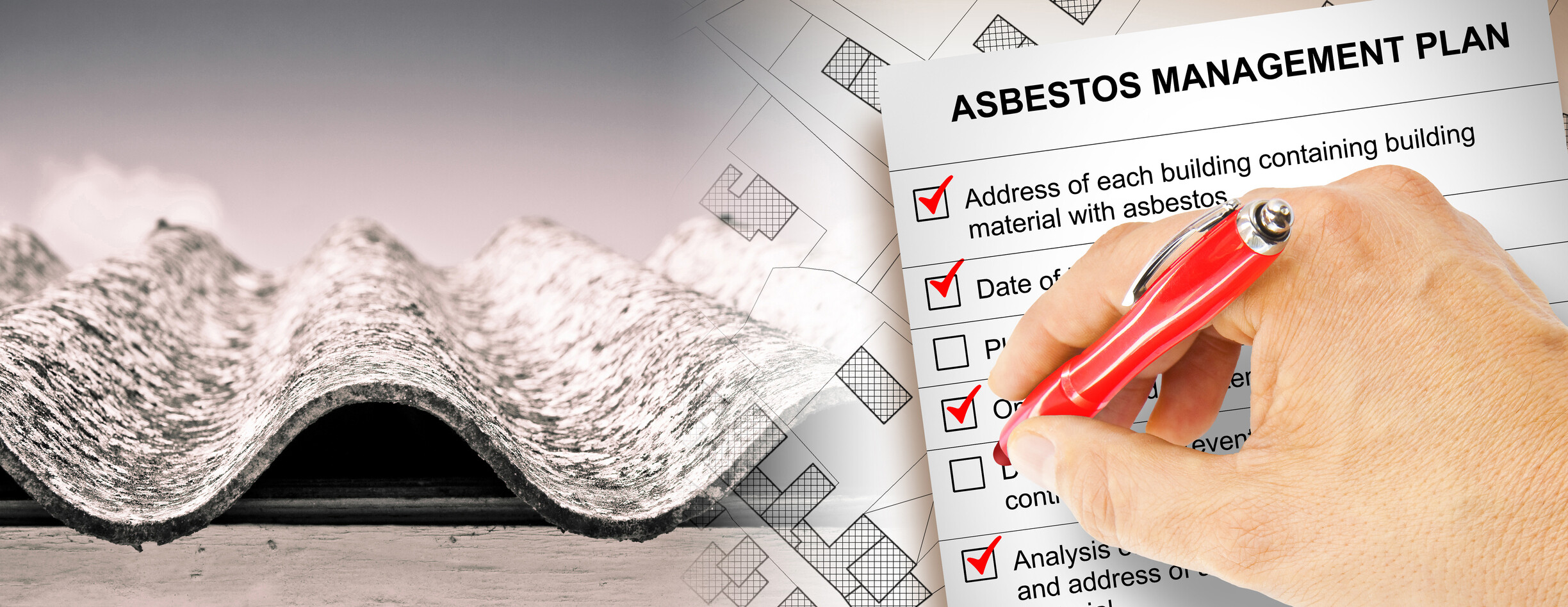
An asbestos removal checklist is a comprehensive document that outlines all of the necessary steps and precautions for safely removing asbestos from a site. The checklist begins with detailed site information, including the address, owner’s name, and contact information. This provides essential context for the asbestos removal process and ensures that everyone involved has access to accurate and up-to-date information throughout the project. Next, the checklist includes details about the removal specialist who will be overseeing the job, including their qualifications and experience in handling hazardous materials.
The section on asbestos details includes a thorough assessment of all areas where asbestos is present or suspected, as well as an inventory of any materials that will need to be removed or isolated during the project. An important component of this checklist is also daily monitoring; this involves regular inspections by qualified professionals to assess air quality levels and ensure that safety protocols are being followed at all times. By utilising an asbestos removal checklist such as this one, property owners can have peace of mind knowing they have taken every precaution possible to protect themselves and their community from potentially harmful exposure to dangerous substances like asbestos.
General Asbestos Removal checklist Example:
Below is a example checklist that covers general list of items including site details, removals specialist’s details, asbestos details, asbestos form and daily monitoring.
General Site Details:
- Site address:
- Site contact name and phone number:
- Site contact email:
- Date of asbestos removal:
- Type of asbestos removal:
- Estimated duration of asbestos removal:
- Weather conditions (if applicable):
Removals Specialist Details
- Name of removals company:
- Address of removals company:
- Phone number of removals company:
- Email of removals company:
- Project manager name and phone number:
- Project supervisor name and phone number:
Asbestos Details:
- Type of asbestos-containing material (ACM):
- Location of ACM:
- Approximate quantity of ACM:
- Condition of ACM:
- Friability of ACM:
- Any special precautions or considerations for removal:
Asbestos Form
- Is an asbestos survey or assessment available for the site?
- Has the removalist company provided a risk assessment and method statement?
- Have all necessary permits and approvals been obtained?
- Has the site been properly secured and isolated?
- Have all necessary safety equipment and tools been provided and inspected?
- Are all workers properly trained and licensed for asbestos removal?
- Has air monitoring equipment been set up and calibrated?
- Has a waste disposal plan been established and communicated to all workers?
- Has a decontamination area been established and properly equipped?
- Has an emergency plan been established and communicated to all workers?
- Is there a designated person responsible for overseeing the asbestos removal process?
- Have all necessary notifications been provided to relevant authorities and nearby residents or businesses?
- Have any nearby utilities or services (e.g. electricity, gas, water) been properly isolated or shut off?
- Have any nearby fire or security alarms been disabled or temporarily relocated?
- Have any nearby buildings or structures been properly protected from dust or debris?
- Has a daily checklist been established to ensure all necessary steps are taken each day?
- Have any unexpected incidents or deviations from the original plan been properly documented and reported?
- Have all workers been properly trained in emergency response procedures and first aid?
- Has a final inspection and clearance air monitoring been performed after the asbestos removal is complete?
- Have all necessary records and documentation been properly stored and archived?
Daily Monitoring:
- Air monitoring results (e.g. fiber count, clearance levels):
- Personal air sampling results (if applicable):
- Equipment inspections and maintenance (e.g. respirators, air monitoring equipment):
- Protective clothing inspections (e.g. coveralls, gloves, boots):
- Decontamination unit inspections (e.g. showers, vacuum systems):
- Waste storage and disposal inspections:
- Worker health status and symptoms:
- Any incidents or near misses:
It is important to conduct daily monitoring to ensure that all safety protocols are being followed and that the removal process is proceeding safely and effectively. Any issues or incidents that arise should be immediately addressed and reported to the appropriate parties.